Driving is an integral part of our daily lives, but how often do we stop to think about the myriad factors that influence our driving experience? Understanding the top 10 car facts can dramatically alter your driving habits, leading to a more efficient, safer, and economical journey. Whether it’s engine size or the advantages of choosing electric cars, knowledge is power when it comes to handling your vehicle. In this article, you will discover how regular maintenance, aerodynamics, tire types, and even car insurance intricacies can impact your driving. By delving into these details, you’ll find ways to optimize your driving for better performance, cost savings, and environmental consideration. Let’s explore how each fact can redefine the way you approach the road and share the journey of driving smarter, with a focus on these influential elements. From how advanced safety features reduce risks to why fuel economy matters, prepare for insights that will empower your vehicular command.
How Does Engine Size Affect Performance?

Engine size plays a crucial role in determining a vehicle’s performance, influencing both speed and fuel efficiency. A larger engine often offers more power, allowing for quicker acceleration and the ability to tow heavier loads, often necessitating the use of towing hitches. However, it typically results in higher fuel consumption, negatively impacting overall fuel efficiency. With environmental concerns on the rise, understanding the balance between power and efficiency is essential for modern drivers.
Smaller engines, especially those enhanced with turbochargers, can offer impressive performance while maintaining better fuel economy. These engines have gained popularity due to their ability to provide sufficient power while being more eco-friendly. By choosing the right engine size that suits your driving needs, such as city commuting or long-distance traveling, you can achieve the perfect balance for your lifestyle.
Understanding how engine size correlates to the general driveability and comfort of your car is vital. Those needing more grunt for tasks such as long highway driving or frequent auto dent removal may opt for larger engines. Conversely, city drivers often benefit from smaller, more fuel-efficient engines that handle stop-and-go traffic effectively, making their experience more sustainable.
What Are the Benefits of Electric Cars?
Electric cars are revolutionizing the automotive industry with their promise of efficiency and sustainability. These vehicles produce zero emissions, making them a top choice for environmentally conscious consumers looking to reduce their carbon footprint. Plus, the convenience of charging at home and lower maintenance costs compared to traditional gas vehicles make electric cars an attractive option.
Unlike their gasoline counterparts, electric cars require less frequent visits to a local auto body shop for routine maintenance. The absence of an internal combustion engine means fewer components to service, leading to reduced long-term costs. Additionally, the instant torque delivered by electric motors provides an exhilarating driving experience without compromising on environmental responsibilities.
The network of charging stations is expanding rapidly, making long-distance traveling in an electric vehicle more feasible than ever. As technology advances, electric cars are becoming more affordable, with increased range capabilities that rival traditional vehicles. The increasing popularity of electric cars signifies a shift towards more sustainable transportation options for drivers.
How Essential Is Regular Maintenance?
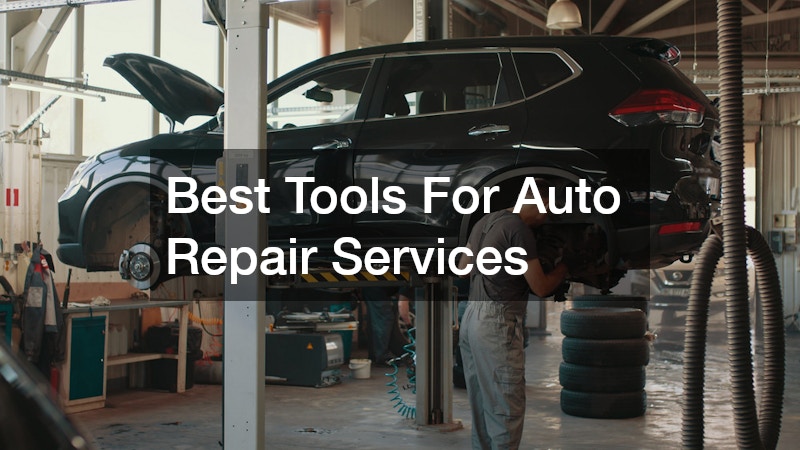
Regular maintenance is key to ensuring the longevity and reliability of any vehicle. Routine check-ups can help catch small issues before they become major repairs, which can be costly both in terms of money and time. It also keeps your vehicle running efficiently, which is particularly important for those focused on maximizing their driving experience.
Neglecting regular maintenance can lead to engine inefficiencies and increased emissions, affecting both performance and the environment. Services like oil changes, brake inspections, and tire rotations should be scheduled with precision to prevent unexpected breakdowns. In some cases, visiting a junk car recycling service might be more beneficial if the cost of repairs outweighs the value of the car.
Maintenance is not just about retaining value, but also about safety. Faulty brakes and worn-out tires can lead to accidents, which then require assistance from a car accident chiropractor or a personal injury attorney. Maintaining your vehicle consistently ensures it operates safely and contributes positively to your overall road experience.
Are Hybrid Cars Worth the Investment?

Hybrid cars provide a balance between traditional gasoline and electric vehicles, offering the advantage of increased fuel efficiency and reduced emissions. They deliver the combined benefits of minimized environmental impact and decreased dependence on fossil fuels while still providing the flexibility of gasoline engines.
The initial cost of a hybrid can be higher than a conventional car, but tax incentives and savings on fuel over the vehicle’s lifetime can offset this. These vehicles are perfect for urban settings with stop-and-go traffic, where their regenerative braking systems maximize efficiency. Many drivers find the superior fuel economy worth the initial investment.
For individuals who frequently require car repair due to extensive driving, a hybrid car might reduce regular maintenance costs. By combining the best features of electric and traditional vehicles, hybrid cars are a sensible choice for those seeking to go greener without the full commitment of going electric, thus improving their lifestyle.
What Role Does Aerodynamics Play in Car Design?
Aerodynamics is a critical factor in car design, impacting fuel efficiency, speed, and overall performance. By reducing air resistance, cars can achieve better fuel economy and stability at higher speeds. Manufacturers invest significant resources in wind tunnel testing to refine the shapes of vehicles, optimizing them for streamlined movement.
The sleek designs that you see, especially in sports cars, are not just for aesthetics—they are engineered to reduce drag, thus enhancing speed and energy efficiency. Whether you drive a sedan or a high-performance vehicle, understanding the aerodynamic features of your car can assist in improving the total efficiency of your experience.
Simple additions, like rear spoilers, can affect how your car handles on the road. For drivers interested in minimizing fuel consumption, knowing how aerodynamics play into this can lead to significant savings. If damaged, ensuring these elements are properly fixed at a car repair shop like a Lexus autobody repair can help maintain vehicle efficiency.
Does Tire Type Make a Significant Difference?
Tire type significantly influences a car’s performance, fuel efficiency, and safety. Choosing between all-season, winter, or high-performance tires requires considering typical weather conditions and driving habits. The right tires can enhance grip and handling, leading to a safer driving experience.
Tire composition and tread pattern play pivotal roles in their suitability for different conditions. For instance, driving in snowy conditions necessitates winter tires that provide better traction. Meanwhile, high-performance tires offer improved speed capabilities due to their specialized design, ideal for enthusiastic drivers looking to maximize their driving experience.
Regular tire maintenance, including proper inflation and alignment, can prevent uneven wear and improve fuel economy. Consulting with professionals at Lexus Autobody Repair or a local auto body shop ensures your vehicle operates at optimum efficiency, providing a smoother, safer ride.
How Do Advanced Safety Features Improve Driving?
Advanced safety features like auto braking, lane-keeping assist, and adaptive cruise control have revolutionized modern vehicles’ safety and driving ease. These systems are designed to prevent accidents by enhancing driver awareness and providing emergency intervention. Coupled with proper replacement components like towing hitches, they ensure your vehicle maintains safety standards even in challenging conditions.
Investing in vehicles equipped with these features can significantly reduce the chances of collisions, which positively affects your driving experience. Safety features are continually improving, integrating artificial intelligence and machine learning to offer real-time data and feedback to the driver. This dynamic interaction keeps both the car and its occupants safer on the road.
This technology not only protects you but can also lower insurance premiums since vehicles with advanced safety features are deemed less risky by insurers. Pairing these systems with reliable tow trucks or emergency towing companies ensures your vehicle remains protected in unforeseen circumstances.
Why Is Fuel Economy Crucial for Drivers?
Fuel economy remains a top consideration for any vehicle purchase due to its significant impact on operating costs and environmental effects. Cars that deliver higher miles per gallon are not only more economical but also kinder to the planet, reducing one’s carbon footprint. Maximizing fuel economy is essential for anyone invested in sustainable practices.
Improvements in technology have made modern cars more fuel-efficient than ever before. For everyday drivers, focusing on fuel economy translates into substantial savings over time. It’s also an essential aspect when considering the expenses tied to frequent trips or long-distance commutes, which could benefit from services related to personal injury attorney consultations.
Various factors affect fuel efficiency, including driving habits, vehicle maintenance, and tire type. Utilizing a junk car recycling service for older, less efficient models can free up resources for more fuel-efficient options, enhancing the driver’s responsibility toward economical driving. Understanding and optimizing these elements can considerably improve your experience on the road.
How Does Horsepower Influence Your Driving?
Horsepower is a direct measure of a vehicle’s power output, affecting its speed, acceleration, and overall performance. Higher horsepower typically equates to faster and more agile vehicles, appealing to those who value speed and responsiveness in their driving experience. It is a crucial factor for those keen on enhancing their personalized encounters.
For everyday drivers, too much horsepower might equate to wasted energy, since most standard driving situations do not require it. However, for individuals who prioritize rapid acceleration and high-speed capabilities, extra horsepower delivers a thrilling experience. This preference often informs their choice in vehicle models and necessary equipment, like towing hitches, to balance speed with functionality.
The balance between horsepower and other driving needs like fuel economy and safety must be evaluated to choose the right vehicle. Emergency towing companies often appreciate the practicality of a well-balanced vehicle that employs sufficient horsepower without compromising essential fuel and safety requirements, optimizing your drive.
Is Car Insurance Dependent on Vehicle Type?
Vehicle type significantly influences car insurance premiums, with various factors such as safety ratings, cost of parts, and likelihood of theft playing vital roles. Different cars bear different risks, which insurance companies consider when calculating coverage costs. Understanding these elements can aid in choosing the best vehicle that harmonizes with reasonable insurance costs for your driving habits.
Sports cars and luxury models often see higher premiums due to their performance capabilities and repair costs, a concern validated by services like Lexus Autobody Repair. Simultaneously, vehicles that boast advanced safety features and good crash-test ratings usually attract lower rates due to their reduced risk of accidents.
Many drivers opt for vehicles with higher safety ratings to take advantage of lower insurance premiums. Collaborating with a personal injury attorney or consulting emergency towing companies after accidents can inform you of the importance of picking comprehensive insurance. By understanding insurance dynamics and making informed choices about your vehicle, you can optimize your overall lifestyle.
Using These Car Facts
Armed with these critical car facts, you are now equipped to approach driving with enhanced awareness and precision. From deciphering the influence of engine sizes and embracing the benefits of electric and hybrid vehicles to recognizing the importance of regular maintenance and advanced safety features, these insights are transformative. Understanding the impact of aerodynamics, tire types, and horsepower empowers you to make informed decisions that optimize your fuel economy and relate to car insurance intricacies.
Whether you’re consulting a local auto body shop for repairs or engaging a junk car recycling service for eco-friendly choices, every aspect contributes to a more efficient, safe, and economic driving experience. The knowledge of these facts enables a smarter approach to being on the road, ensuring that both conserving resources and enhancing performance are part of your driver’s agenda.
Ultimately, driving with awareness not only benefits personal safety and finances but also positively impacts the environment and society. Continuing to learn and integrate such knowledge into your driving habits is both a privilege and a responsibility. By fostering an understanding of these elements, you invite a rich, holistic view of what it means to be a responsible and informed driver.
Embracing these principles allows you to navigate the roads with greater confidence and efficiency. With guiding your journey, you stand to gain from a transformed outlook on everyday driving, equipped to handle the ever-changing landscape of automotive advancements.