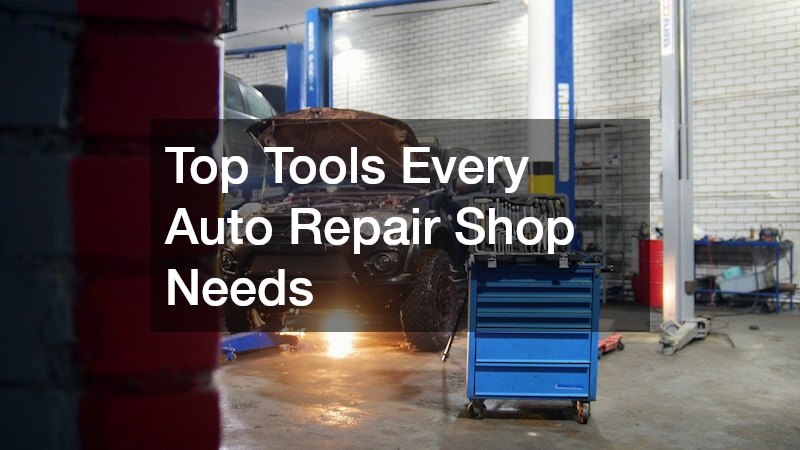
Experiencing an automobile accident can be incredibly overwhelming and is an unfortunate event that many car owners may encounter at some point. Not only is the emotional toll significant, but there is also the complexity of addressing the condition of your vehicle in the aftermath. It can lead to confusion and stress as you’re faced with the question: what comes next? Understanding the steps involved can be immensely beneficial and may alleviate some of the anxiety during such a challenging period. This article aims to offer an in-depth examination of the journey your car and you will take after an accident, starting from the point of immediate roadside assistance—crucial support that helps stabilize the situation and ensure safety—and extending all the way through to potential extensive repairs that may be necessary to restore your car to its former state.
By gaining insight into each stage of this process, you can become more knowledgeable about the procedures and choices available to you. This preparedness allows for more confident and informed decisions, enabling you to effectively manage the situation and streamline the series of events that follow an accident. Whether it is understanding insurance protocols, knowing when and how to engage with professional repair services, or simply recognizing the support systems that are in place to assist you, having this information at your fingertips transforms an intimidating experience into a navigable one. Armed with this comprehensive understanding, not only will you better protect your vehicle and investment, but you’ll also ensure peace of mind during an inherently stressful time.
1. How Do Towing Services Respond to Accidents?
1.1 Major Roles of Towing Services
Local towing services are crucial first responders in accident scenarios, providing immediate aid and vehicle transport. Their role is not limited to vehicle relocation; they also assess the scene to ensure safety and prevent further accidents. Through organized communication with emergency services, towing companies help streamline traffic flow and mitigate hazardous situations.
1.2 Types of Towing Equipment Used
Towing equipment varies, with standard options ranging from flatbed trucks to wheel-lift systems. The choice of equipment depends on the severity of the accident and the type of vehicle being towed. Flatbed tow trucks are frequently used when prioritizing vehicle safety during transport, minimizing additional damage to affected cars.
1.3 Choosing a Reliable Tow Company
Selecting a dependable tow company is crucial, with factors such as reputation, proximity, and responsiveness playing vital roles. Customers are advised to research and potentially pre-select towing services to ensure quick and reliable support when accidents occur. It is wise to save contact information as part of an emergency kit, providing peace of mind.
2. What is the Process of Auto Body Repair?
2.1 Initial Assessment and Estimate
The first step in auto body repair services involves a thorough assessment to determine the extent and cost of repairs. Skilled technicians evaluate both visible and hidden damage, documenting all findings for accuracy. This initial step is pivotal for insurance claims, ensuring they reflect the actual scope of necessary work.
2.2 Collision Repair Techniques
Collision repair encompasses various techniques tailored to different kinds of damage, from minor dents to significant structural issues. Auto body repair services use precise alignment tools and techniques to restore a vehicle’s original condition. Quality repair ensures that once damaged vehicles meet stringent standards before returning to the roads.
2.3 Final Inspection and Detailing
Before a vehicle is returned to its owner, a final inspection ensures all repairs meet safety and aesthetic standards. Technicians conduct a detailed review, examining structural integrity and cosmetic finish. Post-repair detailing provides a clean finish, making the vehicle look as good as new, enhancing customer satisfaction.
3. What Are the Steps in Subaru or Japanese Auto Body Repairs?
3.1 Common Subaru Damages and Fixes
Subaru vehicles often encounter specific damage patterns attributed to their design and usage. Auto body shops familiar with Subaru models identify these common issues, applying targeted repair strategies to address them effectively. Expertise in Subaru auto body repairs results in enhanced restoration accuracy and durability.
3.2 Specialized Equipment for Subarus
Subaru models may require specialized equipment, designed to accommodate unique features such as symmetric all-wheel drive. Authorized repair centers utilize manufacturer-recommended tools, ensuring components are aligned and assembled correctly. These tools guarantee that repairs meet Subaru’s high performance and safety standards.
3.3 Partnering with Authorized Repair Centers
Opting for authorized repair centers is advantageous as they maintain updated knowledge and standards directly from Subaru. These centers are equipped with trained technicians who provide meticulous care using genuine parts. Partnering with authorized facilities ensures both compliance with warranty stipulations and extended vehicle lifespan.
4. How Does Window Tinting Affect Post-Accident Repairs?
4.1 Evaluating Tint Damage
Accidents can compromise a car’s window tint, necessitating thorough evaluation to determine reparability. Damage may cause bubbles or discoloration, reducing effectiveness and aesthetic appeal. Assessing the extent of damage guides decisions on whether to repair or replace the tint.
4.2 Removal and Replacement Processes
Car window tinting is often removed if damaged, requiring careful strip-back methods to prevent glass harm. Tint replacement involves precision cutting and application of new film layers, restoring appearance and performance. Professionals apply new tints that comply with local legal standards and provide optimal UV protection.
4.3 Legal Considerations in Tint Use
Legalities surrounding car window tinting affect repair decisions, as regulations vary by location. Tint percentages and transparency must adhere to state law, influencing maintenance choices post-accident. Understanding these laws ensures compliance and avoids future legal issues for drivers.
5. What Do Transmission Repair Shops Check for Post-Accident?
5.1 Identifying Transmission Issues
After an accident, transmission shops perform exhaustive checks to identify potential damage or dysfunction. Inspections include examining transmission fluid conditions and detecting leaks or component distress. Swift identification and resolution prevent significant future malfunction or costly overhauls.
5.2 Repair versus Replacement Decisions
Determining whether to repair or replace a damaged transmission requires careful consideration by skilled technicians. Factors include the severity of damage, cost implications, and safety criteria. A practical evaluation ensures optimal performance, balancing restoration and expenditure efficiency.
5.3 Long-term Transmission Maintenance
Beyond immediate repair needs, transmission shops provide comprehensive advice on maintaining vehicle health. Scheduled maintenance helps maintain functionality, extend lifespan, and preserve value. This preventative approach underscores the importance of regular check-ups and attentive driving habits.
6. How is Ding Repair Conducted After an Accident?
6.1 Assessing Ding and Dent Severity
The severity of door dings or dents is meticulously assessed to determine repair strategies. Minor defects may be resolved with paintless dent repair methods, whereas substantial damage necessitates traditional approaches, like door ding repair. Proper assessments ensure the selected technique restores the vehicle’s exterior impeccably.
6.2 Paintless Dent Repair Techniques
Paintless dent repair (PDR) is a favored technique for fixing minor dings, preserving original paint and finish. Experts manipulate dents with specialized tools, restoring panels to pre-damage conditions without repainting. PDR is cost-effective, non-invasive, and maintains vehicle value.
6.3 Traditional Repair Methods
Traditional ding repair methods involve filling and painting processes to cover significant dents effectively. Techniques include sanding, applying filler, and repainting to match the vehicle’s finish. Skilled technicians conduct these repairs, bringing back the car’s aesthetic to its factory state.
7. What Options Are Available for Windshield Repair or Replacement?
7.1 Determining if Replacement is Necessary
Assessing the necessity of windshield replacement hinges on the damage’s location and severity. Cracks compromising safety or impeding vision typically warrant immediate replacement. Inspection by professionals determines the best course of action for maintaining vehicle integrity.
7.2 Choosing Quality Windshield Options
Quality of replacement windshields is paramount, with choices spanning from OEM to aftermarket options. Windshields must meet robustness and safety criteria, tailored to each vehicle model. Selecting the right option involves balancing cost considerations and aesthetic coherence.
7.3 Costs and Insurance Coverage
Windshield replacement costs vary, depending significantly on insurance coverage and deductible choices. Many policies cover replacement services; however, understanding the specifics of coverage is vital. Drivers benefit from reviewing their plans for the best financial approach post-accident.
8. How Do You Utilize Mobile Glass Services?
8.1 Benefits of Mobile Repair Services
Mobile glass repair services offer unmatched convenience, as technicians come directly to the vehicle’s location. This minimizes downtime for vehicle owners, eliminating the need for a shop visit. Services are often swift, accommodating busy schedules while providing quality work on-site.
8.2 Ensuring Quality of Mobile Services
Choosing a reputable mobile service guarantees comfort in receiving proficient repair or replacement procedures. Evaluating service reviews and ensuring legitimacy by verifying certifications assures peace of mind. Quality mobile services equal traditional in-shop offerings, supporting vehicle longevity and safety.
8.3 Scheduling and Convenience
Scheduling mobile repairs is simple, with many services offering flexible appointment slots. Arrangements can often be made online or via phone, enhancing accessibility. Convenience and efficiency align in mobile glass repair options, making them attractive for modern-day car owners.
9. What to Expect from Windshield Replacement Services?
9.1 Selecting a Reputable Provider
Engaging with a reputable local windshield replacement service hinges upon recognizing service quality and customer satisfaction. Trustworthy providers offer guarantees, transparency in estimates, and use quality materials. Research and recommendations help identify the best service providers.
9.2 Replacement Procedure and Timing
Windshield replacement involves carefully removing the damaged glass, installing a new pane, and ensuring proper seals. The procedure prioritizes precision and adheres to safety standards, completed within a few hours. Clients should expect updates and confirmations throughout the process.
9.3 Warranty and Service Guarantees
Warranties provide assurance on repair quality and client satisfaction, underscoring reputable service credibility. Often covering defects and material failure, warranties reflect a provider’s commitment to excellence. Customers are urged to understand their specifics to leverage these protections.
10. How to Ensure All Repairs Meet Safety Standards?
10.1 Understanding Safety Certification Processes
Repair shops adhering to safety certifications signify adherence to stringent industry practices. Certification ensures that technicians are equipped with necessary skills for safe, reliable repairs. This commitment to standards fosters trust and guarantees vehicle competency post-repair.
10.2 Inspections by Qualified Technicians
Post-repair inspections by certified technicians are critical, ensuring compliance with safety protocols and roadworthiness. Inspections address all repaired mechanisms, confirming functionality and structural integrity. Attention during this phase guarantees that vehicles meet safety expectations confidently.
10.3 Post-Repair Test Drives
Test driving a vehicle after repairs provides another layer of confirmation on functionality and safety. This practical evaluation aids in identifying overlooked issues, allowing for immediate resolution. Test drives simulate real-world conditions, assuring vehicle reliability for routine use.
Successfully navigating the realm of car repairs following an accident is a multifaceted and often challenging undertaking. It requires a comprehensive understanding of the detailed processes involved and the judicious selection of appropriate services to ensure that your vehicle is restored to its optimal condition. It is imperative to focus on professional interventions as these are carried out by skilled technicians who are well-versed in the intricacies of vehicle repair. These professionals are adept at using a range of specialized tools and techniques to address various issues that may arise from a vehicular accident.
Moreover, strict adherence to safety standards at every stage of the repair process is crucial. This adherence not only guarantees that the repaired vehicle is road-ready but also ensures that it meets the highest safety standards, providing peace of mind to the vehicle owner. By ensuring that these protocols are followed meticulously, the risk of future complications or accidents due to unresolved damages is significantly minimized.
In making informed decisions regarding your car repairs, you enhance the likelihood of a smoother recovery process. This involves gathering and assessing detailed information about potential repair shops, understanding estimates and repair timelines, and ensuring that your insurance coverage is well-utilized. Such informed decision-making is pivotal to securing long-term vehicle satisfaction, even in the aftermath of an accident. It empowers you, as a vehicle owner, to oversee the repair process confidently and ensures that your vehicle is not only functional but safe and reliable in the long term.
Through these careful considerations and actions, you will be able to restore your vehicle to a state that closely resembles or even surpasses its pre-accident condition, ultimately enhancing your driving experience and ensuring your safety on the roads.